Contact Us

+39 (049) 2700 640

Send Email

hello@syntexa.it

What Is an NFC Tag and How Can It Transform Your Business?

What Is an NFC Tag and How Can It Transform Your Business?
NFC (Near Field Communication) technology is transforming the way businesses and customers interact with products, services, and information. Increasingly used across marketing, logistics, retail, and manufacturing, NFC enables data to be shared quickly, securely, and effortlessly with a simple tap of a smartphone.
With NFC tags, businesses can digitize processes, enhance the customer experience, and deliver innovative services through a single touch.
What Is an NFC Tag?
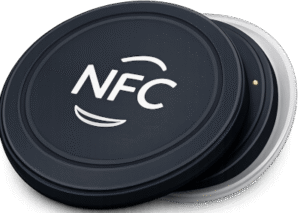
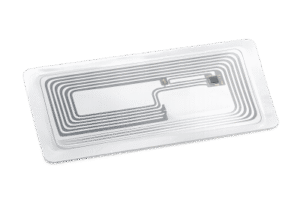
An NFC tag is a small device containing a microchip and an antenna that can store information and transmit it wirelessly to a compatible smartphone or NFC reader over a short distance. NFC tags can be embedded in:
  • Adhesive labels
  • Cards and badges
  • Wristbands
  • Industrial nameplates
  • Product packaging
Once programmed, an NFC tag can open a website, display a product datasheet, share contact information, launch an application, or provide detailed product information.
How Does NFC Technology Work?
Using NFC technology is incredibly simple. Users only need to bring a compatible smartphone close to the NFC tag to automatically access the stored information. No batteries, Bluetooth connection, or QR code scanning is required. This ease of use makes NFC technology an ideal solution for improving interactions between businesses and customers.
The Benefits of NFC Tags
Using NFC tags offers numerous advantages, including:
  • Instant access to information.
  • A simple and intuitive user experience.
  • Reduced reliance on printed materials.
  • Quick updates to digital content.
  • Enhanced security compared to traditional solutions.
  • Integration with business management systems and digital platforms.
Thanks to their versatility, NFC tags are an effective solution for digitizing a wide range of business processes.
Main Applications
Marketing and Communication:
NFC tags can connect products and promotional materials to digital content such as videos, catalogs, special offers, or web pages, creating an engaging and interactive customer experience.

Digital Business Cards:
With a simple tap, users can instantly share contact details, websites, social media profiles, and company information, eliminating the need for traditional paper business cards.

Product Traceability: NFC tags can uniquely identify products and link them to technical documentation, certifications, user manuals, or maintenance information.

Authentication and Anti-Counterfeiting:
In industries such as luxury goods, fashion, and consumer electronics, NFC technology helps verify product authenticity and combat counterfeiting.
NFC and the Digital Product Passport
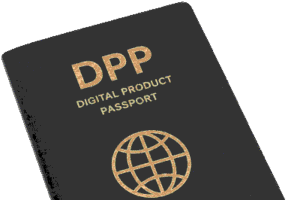
With the introduction of the Digital Product Passport (DPP), NFC technology is taking on an increasingly strategic role. A simple tap allows users to access a product’s digital passport, containing information about its origin, materials, certifications, maintenance, and recycling.

This makes NFC an essential tool for supporting product traceability and ensuring compliance with upcoming European regulations.
Why Choose NFC for Your Business?
Investing in NFC technology means providing customers with a modern experience, improving information management, and creating new opportunities for communication and product traceability.

Whether for marketing, product identification, or digital transformation, NFC tags offer a simple, reliable, and easily integrated solution for business processes.
Conclusion
NFC tags are becoming an essential tool for businesses looking to innovate and stand out in the market. Thanks to their ease of use and wide range of applications, they create an instant connection between the physical and digital worlds, improving operational efficiency and enhancing the customer experience.

Looking for the right NFC solution for your project? Contact us. We’ll help you choose custom NFC tags, cards, labels, and integrated solutions for marketing, product traceability, and the Digital Product Passport.